
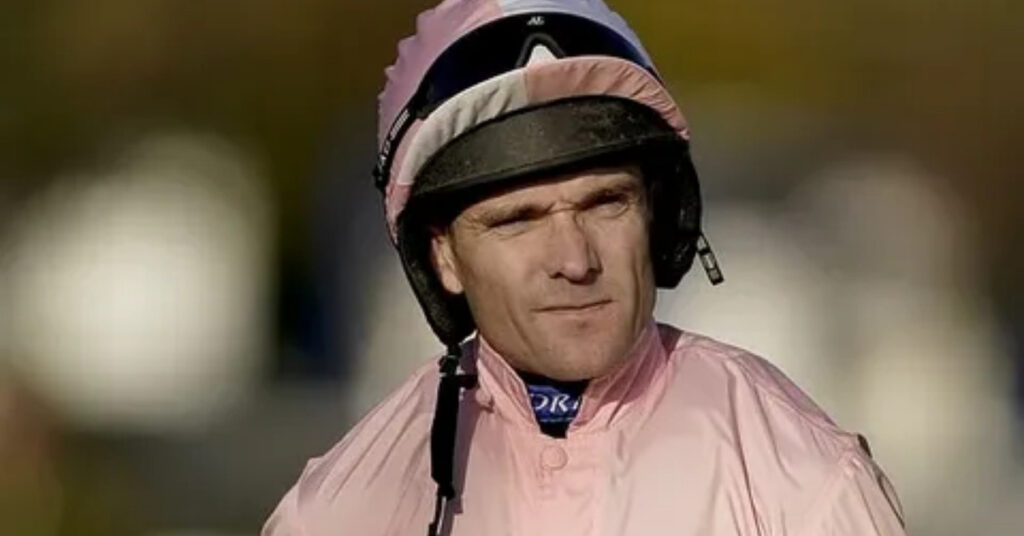
Tom Scudamore didn’t just ride horses. He carried a legacy shaped by grit, pressure, and quiet determination. Born into a legendary racing family, expectations followed him from day one. Yet he carved his own path through sheer consistency and smart riding. Over time, he became one of the most respected names in National Hunt racing, racking up nearly 1,500 winners.
Big races, tough falls, and intense rivalries defined his journey. Then came a sudden goodbye that caught many off guard. So what really made Tom Scudamore stand out? And why does his story still matter today? Let’s take a closer look at the man behind the record books.
Quick Bio
| Category | Fact |
| Full Name | Thomas Geoffrey Scudamore |
| Known As | Tom Scudamore |
| Nationality | British |
| Profession | Retired jump jockey |
| Racing Type | National Hunt racing (jump racing, steeplechase) |
| Family | Son of Peter Scudamore, grandson of Michael Scudamore |
| Father’s Achievement | Peter Scudamore – eight-time champion jockey, Grand National winner |
| Career Wins | 1,499 winners |
| Career Ranking | Among top 10 jump jockeys |
| Key Trainer | David Pipe |
| Notable Trainer Link | Martin Pipe (David Pipe’s father) |
| Famous Horse | Thistlecrack |
| Other Horses | Nordic Breeze, Young Thruster, Belle d’Anjou |
| Major Wins | King George VI Chase (2016), Stayers’ Hurdle |
| Major Event | Cheltenham Festival |
| Racecourses | Cheltenham, Chepstow, Warwick, Leicester, Newton Abbot |
| Birthplace/Roots | Naunton, Gloucestershire |
| Career Start | Amateur champion jockey → professional rider |
| Riding Traits | Discipline, tactical judgment, composure |
| Injury Issue | Concussion from racing falls |
| Retirement Date | February 2023 |
| Retirement Reason | Health concerns and injury risks |
| Post-Career Role | Trustee, Injured Jockeys Fund |
| Industry Focus | Jockey welfare and racing safety |
| Legacy | Longevity, consistency, credibility in racing |
Early Life and Racing Family Background
Tom Scudamore, whose full name is Thomas Geoffrey Scudamore, didn’t stumble into racing by chance. He was born into a deep-rooted racing family where horses, discipline, and competition shaped daily life. His father, Peter Scudamore, stands as an eight-time champion and one of the greatest names linked to the Grand National, famously riding Oxo. Growing up in this environment meant young Tom absorbed racing knowledge almost by instinct. He spent time in yards, watched elite riders up close, and learned how much effort hides behind every race win. His grandfather, Michael Scudamore, also played a role in building this legacy, making Tom part of a rare multi-generation racing dynasty. For readers in the United States, picture growing up in a household where generations played in the NFL or MLB. The expectations feel heavy, yet they also spark ambition. From early on, Tom Scudamore showed signs of becoming more than just a name tied to history. He developed grit, patience, and a quiet determination that would later define his career as a British jockey and steeplechase jockey.
Education and Personal Foundations
Unlike many modern athletes, Tom Scudamore didn’t follow a traditional academic route into a structured college system. Instead, his real education happened in the stable yard and on training grounds. He learned how to read a horse’s mood, how to stay calm under pressure, and how to recover quickly after setbacks. These skills shaped his identity as a professional rider long before he reached the spotlight. While balancing basic schooling, he focused heavily on racing fundamentals, slowly building the discipline needed for National Hunt racing. This form of racing demands more than speed. It requires balance, timing, and courage over fences. His early exposure to both flat-race techniques and jump racing gave him a versatile edge. Over time, these foundations turned into strengths that defined his long career. He didn’t rely on talent alone. He built his success through repetition, observation, and a deep respect for the sport.
How Tom Scudamore Started His Career
Every successful rider starts somewhere, and Tom Scudamore began as an amateur champion jockey trying to prove his worth. His early rides came with pressure because many assumed he benefited from his father’s name. However, he quickly showed that he had earned his place. His first steps into National Hunt racing were not glamorous. He rode lesser-known horses at smaller tracks like Leicester and Warwick, gaining experience one race at a time. Gradually, trainers began to trust him. Opportunities increased when he became a stable jockey under the guidance of David Pipe, son of legendary trainer Martin Pipe. This partnership became a turning point. Like a rookie athlete earning minutes in a professional league, Tom used each chance wisely. He studied races carefully, improved his positioning, and built a reputation for reliability. Those early years formed the backbone of a career defined by persistence and steady growth.
Career Growth and Rise in National Hunt Racing
As time passed, Tom Scudamore grew into one of the most recognizable names in jump racing. His partnership with David Pipe brought consistency and success across major racecourses like Chepstow, Newton Abbot, and Cheltenham. He became known for his ability to read races with sharp tactical judgment, often waiting patiently before making decisive moves. His riding style reflected discipline, composure, and calculated risk-taking. These traits helped him climb the all-time jump jockeys list, placing him among the sport’s most respected figures. He delivered strong performances year after year, proving his longevity and consistency in a physically demanding sport. Many fans admired how he handled pressure without unnecessary flair. Instead of chasing attention, he focused on execution. That approach earned him credibility among trainers, owners, and fellow riders. Over time, he secured his place among the top 10 jump jockeys, a milestone that reflects both skill and endurance.
Major Wins and Best-Known Horses
Big races often define a rider’s legacy, and Tom Scudamore built his reputation through memorable partnerships with standout horses. His connection with Thistlecrack remains one of the highlights of his career. Together, they achieved major victories including the Stayers’ Hurdle and the King George VI Chase in 2016, showcasing elite performance on the biggest stages. He also rode horses like Nordic Breeze, Young Thruster, and Belle d’Anjou, each contributing to his growing list of achievements. Over time, he reached an impressive milestone of 1,499 winners, placing him firmly among racing’s elite. Events at Cheltenham Festival became defining moments where his skill stood out under intense pressure.
| Category | Details |
| Total Wins | 1,499 winners |
| Major Festival | Cheltenham Festival |
| Iconic Horse | Thistlecrack |
| Key Victory | King George VI Chase (2016) |
| Notable Tracks | Cheltenham, Chepstow, Warwick |
For deeper race statistics and records, platforms like https://www.racingpost.com/ provide detailed insights into his performances. Each victory added a layer to his story, building a legacy rooted in precision and partnership with exceptional horses.
Style, Reputation, and Why He Was Respected
What set Tom Scudamore apart wasn’t just his win count. It was how he rode. He combined toughness with calm decision-making, rarely panicking in high-pressure moments. His approach leaned on professionalism and smart positioning rather than flashy moves. Trainers valued his credibility, knowing he would execute race plans with discipline. Fellow jockeys respected his fairness and focus. He wasn’t the loudest voice in the room, yet his actions spoke clearly. His riding style reflected a deep understanding of both horse and race dynamics. This balance made him a trusted figure in National Hunt racing, where one mistake can change everything. Over time, his reputation became one of steady excellence rather than brief brilliance.
Injury, Concussion, and Retirement
Racing comes with real risks, and Tom Scudamore faced his share. Over the years, repeated falls and injuries began to take a toll. Concussion became a serious concern, raising questions about long-term health. In February 2023, he made the difficult decision to step away, marking a sudden retirement that surprised many fans. While his body had endured years of strain, his decision reflected awareness and responsibility. The physical demands of being a jump jockey often go unseen, yet they shape every career. His retirement highlighted the importance of safety and health in the sport. It also sparked conversations about how racing supports its athletes during and after their careers.
Life After Racing
After stepping away from competition, Tom Scudamore didn’t leave racing behind. Instead, he shifted his focus toward giving back. He became involved with the Injured Jockeys Fund as a trustee, supporting riders dealing with injuries and recovery. His work in jockey welfare reflects a deep commitment to improving conditions for future generations. He also contributes to racing discussions, offering insights based on years of experience. Life after racing can feel uncertain for many athletes, yet Tom approached it with the same resilience that defined his riding career. He continues to stay connected to the sport, proving that influence doesn’t end at retirement.
Tom Scudamore’s Legacy in Modern Horse Racing
The legacy of Tom Scudamore goes beyond statistics. Yes, the race wins matter, and so does his place among the top 10 jump jockeys. However, his story carries deeper meaning. It reflects discipline, professionalism, and the ability to adapt under pressure. His journey from a young rider in Naunton Gloucestershire to a respected retired jockey shows what consistent effort can achieve. His career offers lessons for anyone chasing long-term success, whether in sports or beyond.
Conclusion
Tom Scudamore built a career that blends tradition, hard work, and quiet excellence. From his roots in a legendary racing family to his achievements in National Hunt racing, he carved out his own identity. His partnership with great horses, his nearly 1,499 winners, and his reputation for consistency all tell the story of a rider who earned every success. Although his retirement in February 2023 came suddenly, his impact remains strong. Through his work in jockey welfare and his enduring reputation, his legacy continues to shape the sport. In the end, Tom Scudamore didn’t just ride races. He built a lasting mark on horse racing that will stand for years to come.
FAQ
Who is Tom Scudamore?
Tom Scudamore, full name Thomas Geoffrey Scudamore, is a British retired jump jockey known for National Hunt racing success, nearly 1,500 winners, and strong ties to a famous racing family.
How many races did Tom Scudamore win?
Tom Scudamore recorded 1,499 career winners in National Hunt racing, placing him among the most successful British jump jockeys with consistent performances across major racecourses and competitive events.
Why did Tom Scudamore retire?
Tom Scudamore retired in February 2023 due to ongoing concussion concerns and injury risks, prioritizing long-term health after years competing in physically demanding jump racing events.
What are Tom Scudamore’s biggest career wins?
His major victories include the King George VI Chase and Stayers’ Hurdle with Thistlecrack in 2016, along with multiple wins at Cheltenham Festival and other top National Hunt races.
Is Tom Scudamore related to Peter Scudamore?
Yes, Tom Scudamore is the son of Peter Scudamore, an eight-time champion jockey and Grand National-winning rider, making him part of one of Britain’s most recognized racing families.
What is Tom Scudamore doing after retirement?
After retirement, Tom Scudamore works as a trustee for the Injured Jockeys Fund, supporting jockey welfare while staying involved in racing through media work and industry contributions.
What type of racing did Tom Scudamore compete in?
Tom Scudamore specialized in National Hunt racing, also called jump racing, which includes hurdles and steeplechase events requiring skill, endurance, and precise timing over obstacles.
Which trainers did Tom Scudamore work with?
Tom Scudamore worked closely with trainer David Pipe for much of his career, forming a successful partnership that produced consistent winners across major British National Hunt racing events.